

Table of Contents
- Coolibar vs IBKUL: How the Two Sun-Protective Swim Brands Compare
- Side-by-Side Comparison Table: Coolibar vs IBKUL Swimwear
- Coolibar Swimwear Review: Coverage, Fabric, and Fit
- IBKUL Swimwear Review: Cooling Fabric and Athletic Fit
- How to Choose UPF Swimwear for Swimming and Water Sports
- Chlorine, Saltwater, and Wash Durability: Which Brand Lasts Longer?
- Beyond the Two Brands: Best UPF 50 Swimwear for Active Women
- Conclusion
- Frequently Asked Questions
Last Updated: October 21, 2026
Coolibar vs IBKUL: How the Two Sun-Protective Swim Brands Compare
Coolibar and IBKUL both sell UPF 50+ swimwear, but they solve the sun protection problem in different ways. Coolibar built its name on dermatologist-tested coverage for sensitive skin.
Here is the tension most reviews skip: a UPF rating tells you how much UV radiation passes through fabric, and nothing else. As IBKUL's own guide to sun shirt features notes, UPF says nothing about cooling, breathability, weight, stretch, or comfort.
Below, we walk through both brands honestly, then show where a purpose-built alternative fits.
Side-by-Side Comparison Table: Coolibar vs IBKUL Swimwear
The table below summarizes how the two brands differ on the factors that matter most for swimmers, including fit, sizing, coverage, and care.
| Factor | Coolibar | IBKUL |
|---|---|---|
| Core focus | Full-coverage sun protection | Cooling athletic performance |
| UPF rating | UPF 50+ across swim line | UPF 50+ on most styles |
| Fabric feel | Denser, more substantial | Lightweight, cool to the touch |
| Fit philosophy | Relaxed, coverage-first | Athletic, body-skimming |
| Sizing approach | Runs true to size with room through the shoulders | Runs snug; many swimmers size up between sizes |
| Coverage range | Rash guards, swim tights, swim dresses, long-sleeve suits | Rash guards, swim shirts, athletic tops |
| Best for | Sensitive skin, long sun exposure, full-leg coverage | Hot climates, high-output water sports, travel |
| Durability focus | Wash and chlorine resistance, colorfastness | Colorfastness and stretch recovery |
| Care | Cold wash, line dry, no softener | Cold wash, line dry, no softener |
Neither column is "better" in the abstract. The right pick depends on whether you prioritize coverage or cooling, and on how the suit fits your body.
Fit and Sizing: What to Expect
Coolibar's relaxed cut leaves room through the shoulders and torso, which suits swimmers who want coverage without compression. Shoppers between sizes often stay with their usual size for a looser feel or size down for a closer fit. IBKUL's athletic cut follows the body, and a common pattern is to size up if you are between sizes or want less compression through the chest and shoulders.
Coverage: Where the Lines Diverge
Coolibar's line runs deep on full-leg and dress-style coverage, which matters for long beach days and sun-sensitive skin. IBKUL's line skews toward rash guards and athletic tops, so shoppers wanting full-leg coverage have fewer options. If coverage is the priority, Coolibar's range is broader; if movement and cooling are the priority, IBKUL's cuts are more purpose-built for water sports.
Coolibar Swimwear Review: Coverage, Fabric, and Fit
Coolibar is a sun-protection company first and a swimwear brand second. That ordering shows up in the product design: generous coverage, dense fabric, and a fit built around blocking exposure rather than minimizing it.
Where Coolibar Swimwear Excels
Coverage is the headline. Coolibar's swim line runs deep on long sleeves, high necks, and swim tights, which matters for anyone managing sun sensitivity or a history of skin concerns. The fabric feels substantial in hand, and the brand positions its UPF claims around testing rather than marketing language. For a beach day with hours of direct sun, that coverage-first approach is hard to argue with.
Where Coolibar Swimwear Falls Short
The trade-off is breathability. Denser fabric that blocks more UV also traps more heat, and many swimmers find Coolibar suits warmer during high-output activity. The fit also runs relaxed, which some athletic swimmers find loose through the shoulders. If you run hot or swim hard, test the feel before committing to a full season.
IBKUL Swimwear Review: Cooling Fabric and Athletic Fit
IBKUL approaches the same problem from the performance side. Its suits are built for movement, with fabric engineered to feel cool against the skin and a cut that follows the body rather than draping over it.
Where IBKUL Swimwear Excels
Cooling is IBKUL's differentiator, and it is a real one in hot, humid conditions. The fabric is lightweight, quick-drying, and comfortable for paddleboarding, snorkeling, and long days in and out of the water. The athletic fit moves well through the shoulders, and the styling leans sporty rather than conservative. For active women who want sun protection without feeling wrapped up, IBKUL delivers.
Where IBKUL Swimwear Falls Short
Coverage is more selective. IBKUL's line skews toward rash guards and athletic tops, so shoppers wanting full-leg or dress-style coverage have fewer options. The body-skimming fit also runs snug, and swimmers between sizes often size up.
How to Choose UPF Swimwear for Swimming and Water Sports
Choosing UPF swimwear comes down to four checks: the UPF rating, the fabric weight, the coverage you need, and how the suit performs wet. UPF 50+ blocks the vast majority of UVA and UVB rays, but the rating only holds if the fabric fits well and stays wet without going sheer.
Run this checklist before you buy:
- Confirm the label says UPF 50+, not just "sun protective"
- Check fabric weight: denser blocks more UV, lighter cools better
- Match coverage to exposure: full coverage for long beach days, athletic cuts for water sports
- Read the care label for chlorine and saltwater guidance
- Check the size chart against your measurements, not your usual size
- Look for quick-dry and moisture-wicking claims if you sweat or swim hard
The two-hour sunscreen rule still applies to exposed skin. UPF fabric covers what it covers, so reapply sunscreen to your face, hands, and any gap between your suit and your hat.
Chlorine, Saltwater, and Wash Durability: Which Brand Lasts Longer?
Durability is where the two brands diverge most, and it is the question most comparisons skip. Neither brand publishes a lifespan guarantee, so the honest answer comes from fabric construction, care instructions, and how each suit behaves after repeated swimming and laundering.
What Each Brand's Care Guidance Tells You
Coolibar's swim care guidance centers on cold hand- or machine-washing, avoiding fabric softener, and line drying in the shade. The brand positions its swim fabrics around chlorine resistance and colorfastness, which fits a coverage-first suit that is often worn for long, low-intensity beach days rather than repeated pool laps.
A common pattern among swimmers is that both brands hold color well for a season of normal use, then separate on stretch: IBKUL's body-skimming cuts show sag through the shoulders and seat sooner if the suit is machine-dried, while Coolibar's denser coverage fabrics resist thinning longer but can feel stiffer as they age.
UPF Retention After Washing
UPF is a property of the fabric, not a coating, so it does not wash out the way a spray-on treatment would. What does change is fit: a suit that stretches out or goes sheer when wet lets more UV through the gaps. That is why the care label matters as much as the UPF tag. Treat both brands' suits as UPF 50+ for their useful life, then replace them when the fabric thins, pills, or clings sheer in water.
Chlorine vs. Saltwater
Chlorine is the harder test for both brands. Repeated pool exposure breaks down spandex and dulls dye faster than saltwater does, and no swim fabric is fully chlorine-proof. Saltwater is gentler on elasticity but leaves residue that weakens fibers if it is not rinsed. The practical rule for either brand: rinse in fresh water immediately after every swim, wash cold with a mild detergent, and never put the suit in the dryer.
If you swim laps in a chlorinated pool several times a week, expect either brand to need replacement within a season or two. If your exposure is mostly saltwater and occasional pool use, both suits should hold shape and color through multiple seasons with proper care.
Drying Time and Travel
IBKUL's lighter fabrics dry faster, which matters for travel and back-to-back swims. Coolibar's denser coverage fabrics hold moisture longer, so pack a second suit or plan drying time between sessions. Neither brand recommends wringing or machine drying, and both dry best flat or hung in shade.
The Bottom Line on Durability
Coolibar tends to outlast IBKUL on coverage fabrics and colorfastness; IBKUL tends to feel better longer if you protect its stretch with careful laundering. The brand name matters less than the care routine, and the swimmer who rinses, washes cold, and skips the dryer will get more seasons out of either suit.
Beyond the Two Brands: Best UPF 50 Swimwear for Active Women
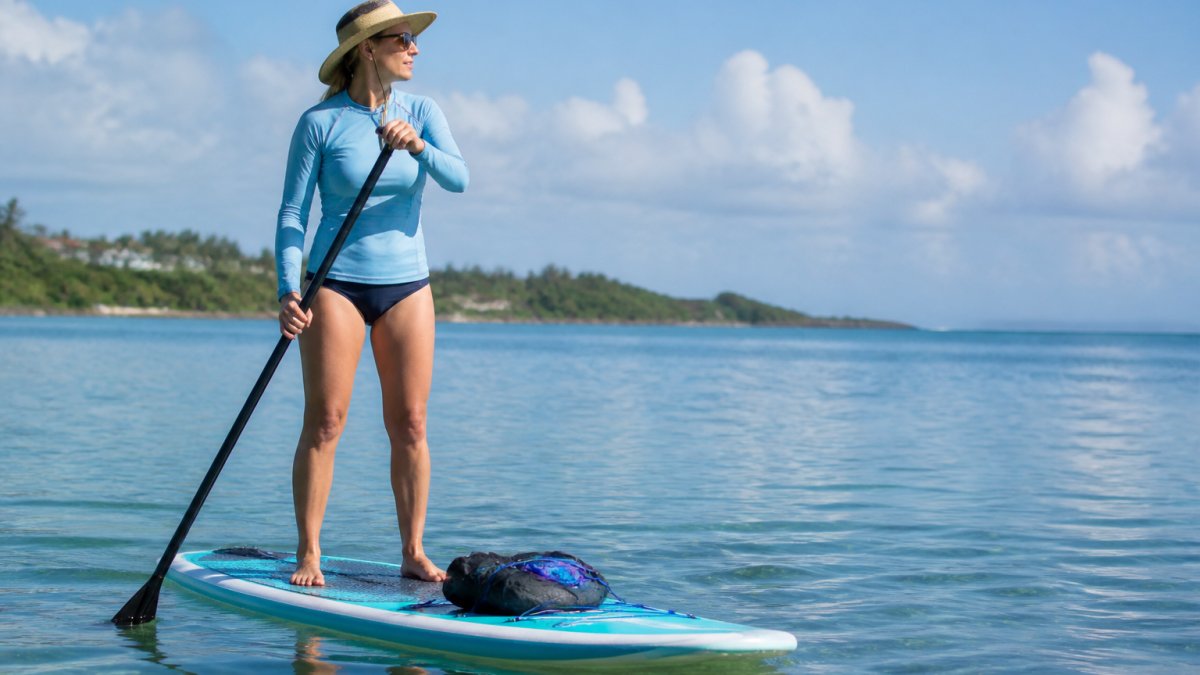
If neither brand quite fits, Line In The Sand is worth a look. Our Long Sleeve Swimsuit ($125.00) pairs full-length sleeves with quick-drying stretch fabric, and the Boyshort Long Sleeve Swimsuit ($130.00) adds built-in shorts for swimmers who want more coverage through the leg.


For layering, the Women's Seize the Ray Rashguard ($62.00) is made from recycled microfiber polyester with moisture-wicking and anti-microbial properties. Every purchase supports cancer and ocean research, since 100% of our profits go to those organizations.

Conclusion
Picking between Coolibar and IBKUL comes down to whether you prioritize coverage or cooling. Coolibar wins on full-body protection for sensitive skin and long sun exposure. IBKUL wins on breathable, athletic comfort for hot-weather water sports.
If you want both, that is exactly the gap we built Line In The Sand to fill. Start with our Get Soaked Sleeveless Swim Top with Built-in Bra ($125.00) and build a sun-safe kit that works in the water and out of it.
Frequently Asked Questions
What is the difference between Coolibar and IBKUL swimwear?
Coolibar builds its swim line around full-coverage sun-protective clothing with UPF 50+ fabric, aimed at people who want maximum skin coverage for beach days and water sports. IBKUL focuses on cooling fabric technology and athletic silhouettes, with UPF protection built into lighter, stretchier pieces. The practical difference shows up in fit and feel: Coolibar leans toward structured coverage, while IBKUL leans toward a cooling, sport-ready fit. Neither UPF rating tells you about breathability, stretch, or comfort on its own, so compare those separately.
Does UPF protection change when swimwear gets wet?
Yes, it can. Many fabrics lose some UV-blocking ability when wet because water fills the spaces between fibers and reduces how much UV light scatters. UPF 50+ fabric that is tight-knit and stretchy usually holds up better, but a wet suit is not a guarantee of all-day protection. Reapply sunscreen to exposed skin every two hours, and cover up with a rash guard or long sleeve swimsuit for long sessions in the water. Check the brand's care and performance notes for how its fabric behaves when soaked.
How should UPF swimwear fit for swimming and water sports?
It should fit close to the body without restricting movement. A snug fit keeps fabric from riding up or ballooning in the water, and it keeps coverage where you need it during paddling, snorkeling, or swimming. Check that sleeves stay at the wrist, that leg openings do not gap, and that the neckline stays put when you raise your arms. If you are between sizes, size up for comfort in styles with a built-in bra, and size down only if the fabric has plenty of stretch.
How do you care for UPF swimwear so it lasts?
Rinse your suit in cool fresh water immediately after every swim to remove chlorine and salt, then hand wash with a mild detergent and hang it to dry in the shade. Skip the washing machine's spin cycle and never put UPF swimwear in the dryer, because heat and agitation break down stretch fibers and can dull the fabric's UV performance. Avoid wringing or twisting the suit, and store it flat or hanging rather than balled up in a wet bag. Rotating two suits extends the life of both.
Are all swimsuits UPF 50?
No. A standard swimsuit may block some UV rays simply because the fabric is opaque, but that is not the same as a tested UPF 50+ rating. UPF 50+ fabric blocks about 98% of UV radiation, and that rating comes from lab testing, not from how dark or thick the suit looks. A white cotton cover-up or a thin, stretched-out swimsuit can offer far less protection than a labeled UPF 50+ piece. Look for an explicit UPF 50+ claim on the tag or product page before you rely on a suit for sun protection.