

Table of Contents
- Quick Comparison: Versatile Swim Leggings for Everyday Wear
- Line In The Sand: Best Overall for Everyday Wear
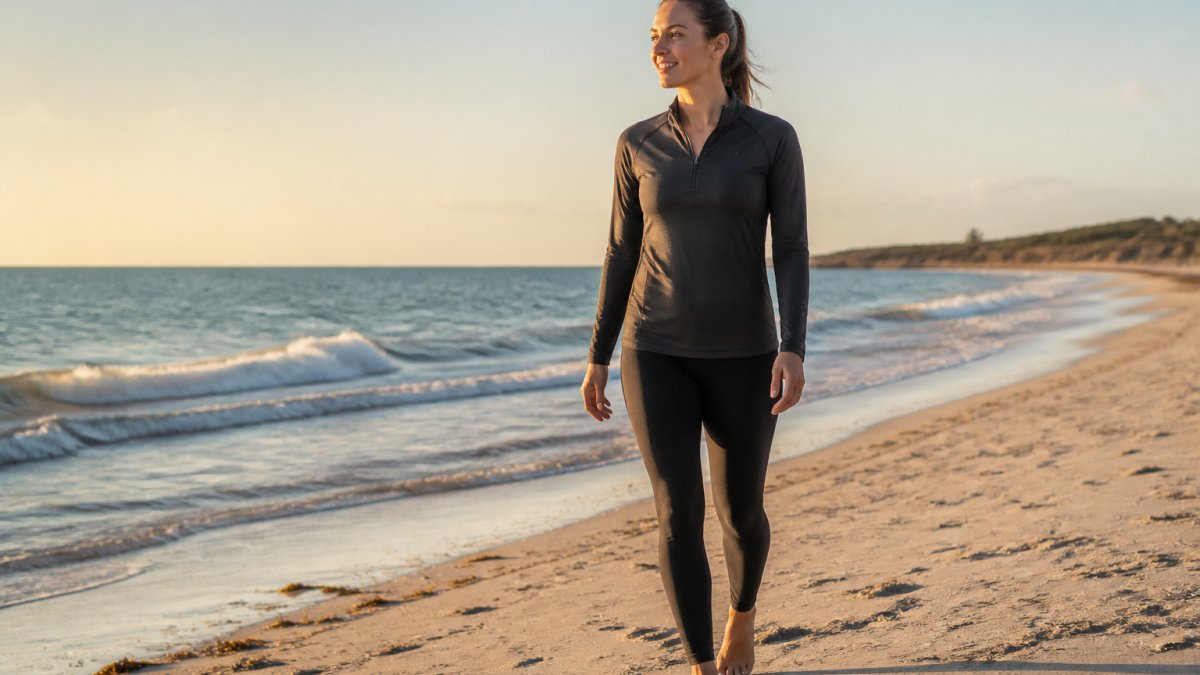
- Waterlust Leggings: Best UPF 50+ Swim Leggings With UV Protection
- Jala High Waist Legging: Best Lightweight Quick-Dry Swim Leggings
- Tuga Swim Leggings: Best Swim Leggings for Water Sports
- Berry Jane and Nellie Capri: Best Swim Leggings for Casual Wear
- Fit, Fabric, and Care: What to Know Before You Buy
- Conclusion: Which Versatile Swim Leggings Are Right for You?
- Frequently Asked Questions
Last Updated: October 9, 2026
Quick Comparison: Versatile Swim Leggings for Everyday Wear
Leggings make up 38% of global athleisure product demand, ahead of yoga apparel at 32%, according to athleisure industry statistics compiled from Precedence Research data. That single number explains why versatile swim leggings for everyday wear have moved from niche gear to a genuine wardrobe staple. This guide from Line In The Sand cuts through the marketing and ranks five pairs we would actually recommend, based on fabric, coverage, and how they hold up after they leave the water.
At Line In The Sand, we build UPF 50+ waterwear from regenerated nylon, so we pay close attention to how swim tights behave on land, not just in the surf. Below, we break down what separates a pair that works all day from one that only works in the pool.
Quick Picks:
- Best Overall: Line In The Sand, UPF 50+ coverage, regenerated nylon, profits donated to research
How We Evaluated These Swim Leggings
We scored each pair on four things: sun protection, fabric behavior when wet, fit across body types, and whether it genuinely works away from the water. Coverage and transparency mattered most. A swim legging that turns see-through when soaked fails at its one job.
We also weighed real-world feedback over spec sheets. A reviewer at Practical Wanderlust's Waterlust leggings review noted the leggings stayed comfortable to walk in while soaking wet and kept her legs cool as the water evaporated. That kind of detail tells you more than a fabric blend list.
Line In The Sand: Best Overall for Everyday Wear
Line In The Sand takes our top spot because it solves the hardest problem in this category: making swim leggings that look right at the pool and on the street. Every pair uses UPF 50+ fabric made from regenerated nylon, so you get full coverage without the greasy sunscreen routine.
The fit is built for real movement. High elasticity and a stay-put fit mean no hiking up your waistband mid-paddleboard, and the fabric stays opaque when wet. That matters if you have sensitive skin or a family history of sun-related health concerns and want a physical barrier, not just a lotion.
What most reviews miss is the purpose behind the product. Line In The Sand donates 100% of profits to cancer and ocean research organizations, so a purchase does double duty. Featured in The Today Show and O, The Oprah Magazine, the brand has earned 111 reviews with a high average rating.
Waterlust Leggings: Best UPF 50+ Swim Leggings With UV Protection
Where it falls short: the supplied product information does not detail sizing, care, or shipping. If you are between sizes, ask before you buy. For sun protection alone, though, this is a strong pick.
Jala High Waist Legging: Best Lightweight Quick-Dry Swim Leggings
At $98, it sits in the same range as the Waterlust pair. The high rise gives you tummy coverage and a secure waistband, which most active women rank above brand name.
Tuga Swim Leggings: Best Swim Leggings for Water Sports
That number matters for water sports specifically. When you are floating face-down over a reef, your legs get continuous sun exposure with no shade and no chance to reapply. Leggings with a high UV-blocking rating remove that problem entirely.
Berry Jane and Nellie Capri: Best Swim Leggings for Casual Wear
One honest limitation: the supplied results do not identify the Nellie Capri's brand or provide a price. Treat it as a style direction, and check current listings before buying.
How to style swim leggings for everyday wear
This is the part most guides skip. The query is about everyday versatility, so here is how to actually make swim leggings work off the sand:
- Walks and errands. Pair a solid, dark swim legging with an oversized cotton tee or a relaxed button-down and sneakers. The legging reads as a matte athletic tight, and the quick-dry fabric handles sweat and a surprise drizzle better than standard cotton leggings.
- Travel days. A high-waisted swim legging plus a long tunic or swing dress covers you for a flight, a layover, and a hotel pool without a change of clothes. Compression from the waistband helps on long sits, and the fabric won't stay damp if you get splashed.
- Casual outings and lunch. Layer a cropped rash guard or a fitted swim top under a denim jacket or open flannel. The swim top doubles as a base layer, so you're pool-ready if plans change.
- Coverage and modesty. A mid-rise or high-rise swim legging under a knee-length tunic or a swim dress gives full leg coverage while still reading as an outfit, not a swimsuit.
Layering with swim tops, rash guards, and everyday tops
The layering rules are simple: match the fabric weight and keep the silhouette clean.
- Rash guard or swim shirt on top for water sports and high-sun days. A long-sleeve rash guard plus swim leggings is the classic full-coverage combo for snorkeling, paddleboarding, and surfing.
- Swim top or bikini top under an everyday top for a two-piece feel that transitions to the pool.
- Tunic or swim dress over the legging for modesty-focused coverage that still looks intentional.
- Everyday tops, oversized tees, linen button-downs, light sweaters, work because the legging is matte and opaque. Avoid sheer or clingy tops that fight the compression fit.
Use-case-specific fit and performance
Different activities stress the legging in different ways, so match the pair to the plan:
- Swimming laps or open water: Prioritize chlorine resistance, a secure waistband, and full opacity when wet. Range of motion at the hip matters more than pockets.
- Paddleboarding and surfing: Waistband security is everything. A wide, flat band with a grip strip resists rolling when you twist and pop up. Look for a gusseted crotch to reduce chafing.
- Walking and hiking: Breathability and quick-dry matter most, plus pockets for a phone. Capri length keeps hems out of the way.
- All-day casual wear: Comfort over hours, no riding up, and a matte finish that reads as everyday clothing. This is where a capri with pockets earns its keep.
Fit, Fabric, and Care: What to Know Before You Buy
Swim leggings are not the same as your gym leggings, and treating them as interchangeable leads to disappointment. Swim leggings use material closer to swimsuits or wetsuits, so they dry faster and feel more comfortable in water than workout clothes. This matches what we see in the fabric itself.
Fabric performance after swimming
The real test of a versatile swim legging is what happens in the hour after you leave the water. Four things matter:
- Drying time. A chlorine-resistant swim knit typically sheds most surface water within 15 to 30 minutes in sun and light wind. A cotton blend can stay damp for hours, which is why every buying guide in this category warns against it.
- Opacity when wet. Dark colors and double-lined gussets hide more than light pastels. Hold the fabric up to a window before you buy; if you can read text through it dry, it will be worse wet.
- Chlorine and saltwater resistance. Chlorine degrades spandex over time, causing sag and bag. Salt crystals left in the fiber abrade it. A 30-second cold rinse immediately after use is the single highest-return habit you can build.
- All-day behavior. Quick-dry synthetics and regenerated nylon blends stay light and don't cling or chafe as they dry. Water-absorbing fabrics get heavy, bunch at the knee, and rub.
Fit comes down to the waistband
High-waisted and mid-rise cuts with an anti-slip band stay put during swimming and paddleboarding. A fold-over waistband helps if you want tummy control without pressure. For water sports specifically, look for a wide, flat waistband with a silicone grip strip; it resists rolling when you twist, paddle, or pop up on a board.
Care, durability, and cost per wear
How you wash a pair determines how long it lasts, and longevity is what actually drives value:
- Rinse in cold fresh water the moment you leave the pool or ocean. Chlorine and salt left in the fibers are the main cause of fading and stretch loss.
- Skip fabric softener and dryer sheets. They coat the fiber and break down the stretch that gives you the stay-put fit.
- Air dry flat or hang in shade. High dryer heat is the fastest way to kill spandex.
- Wash with like fabrics and avoid velcro, zippers, and rough towels that snag the knit.
- Store folded, not hung by the waistband, so the elastic doesn't stretch out over months.
Cost per wear is the honest metric. When you're choosing for frequent, everyday use, weigh the rinse-and-repeat durability of the fabric against the sticker price.
- Coverage: Check opacity when wet, not dry. Hold the fabric up to light before you buy.
- Sizing: Regular and plus-size ranges vary widely. Measure your waist and hip, not your usual size.
- Sun protection: UPF 50+ is the standard to look for. It blocks the vast majority of UV rays.
Conclusion: Which Versatile Swim Leggings Are Right for You?
The right pair depends on where you spend your time. If you want one legging that handles a swim, a beach walk, and a coffee stop without a change of clothes, Line In The Sand is our pick, thanks to UPF 50+ fabric, regenerated nylon construction, and 100% of profits going to cancer and ocean research. For casual wear, capri styles with pockets can be a good option.
Line In The Sand builds waterwear that moves from the water to the rest of your day, with full coverage, sustainable materials, and a purpose behind every purchase. Shop the collection and find the pair that fits how you actually live.
Frequently Asked Questions
Can you wear regular leggings swimming?
Regular workout leggings are not designed for swimming. They absorb water, become heavy, and take a long time to dry. Swim leggings use material more like swimsuits or wetsuits and dry faster in water. For swimming, choose quick-dry swim leggings made from nylon or spandex blends instead of standard athletic leggings.
Do swim leggings offer sun protection?
Many swim leggings offer UV protection, but the level varies by brand. Always check the specific UPF rating on the product listing before buying, since not all swim leggings provide the same level of sun protection.
Can swim leggings be worn for walking or other land activities?
Yes. Waterlust describes its leggings as designed for use in and out of the water, and a Practical Wanderlust reviewer reported wearing them comfortably for walking while soaking wet. Line In The Sand also designs its pieces to transition from water activities to casual land-based settings. Look for swim leggings with quick-dry fabric and a stay-put fit if you plan to wear them for beach walks, pickleball, or everyday errands.
What fabric is best for swim leggings?
Nylon and spandex blends work best for swim leggings because they resist water absorption and dry quickly. Line In The Sand uses regenerated nylon fabric for its UPF 50+ leggings, which offers both sustainability and performance. Look for lightweight, high-elasticity fabrics with a UPF rating if you need sun protection during water sports or extended outdoor time.
How should swim leggings fit for swimming and everyday activities?
Swim leggings should fit snugly without restricting movement. A high-waisted or mid-rise design with an anti-slip waistband helps them stay put during swimming, paddleboarding, or walking. The fabric should offer high elasticity and flexibility for a full range of motion. If you plan to wear them for both water sports and casual wear, choose a style with opaque fabric and a flattering cut that works under regular tops or tunics.