


Table of Contents
- Why Are Swimsuits So Expensive
- Expensive vs. Affordable Swimsuits: What Actually Differs
- How Long Does Swimwear Last: Durability and Lifespan
- Is Expensive Swimwear Worth the Price: Cost Per Wear Analysis
- Best Quality Swimwear: What to Look For
- Different Needs for Pool, Beach, and Active Water Sports
- Frequently Asked Questions
Last Updated: October 12, 2026
Why Are Swimsuits So Expensive
When you're shopping for swimwear, the price tags can feel shocking. A basic one-piece might run anywhere from modest to premium depending on the brand, while designer options climb significantly higher. The real question isn't just why swimwear costs what it does, it's whether expensive swimwear worth those extra dollars translates into real value.
Several factors drive swimsuit pricing. Fabric technology, construction methods, brand positioning, and design innovation all play a role. Understanding what you're actually paying for helps you decide whether expensive swimwear makes sense for your lifestyle.
Fabric Technology and UPF Protection
Advanced fabric development is one of the biggest cost drivers in swimwear. According to The New York Times Wirecutter's 2026 swimsuit testing, swimsuits tested ranged from budget options to luxury pieces, and price alone didn't guarantee performance.
UPF protection requires specific fiber engineering and chemical treatments. The fabric must block ultraviolet rays while remaining breathable, quick-drying, and comfortable against skin. This isn't simple cotton, it's a specialized material built for a specific purpose.
When a brand commits to UPF 50+ protection, they're investing in lab testing, certifications, and quality control to prove the claim works. That investment gets passed to you in the price.
Construction Quality and Durability Features
How a swimsuit is built determines whether it lasts one season or five. Expensive swimwear typically features reinforced seams, high-quality lining, and strategic stitching patterns that reduce stress on fabric where it matters most.
Budget swimsuits often use basic construction: single-stitched seams, thin lining, and minimal reinforcement at high-stress points like the leg openings and straps.
The difference shows up in longevity. A well-constructed swimsuit can withstand hundreds of hours in chlorine and saltwater. A poorly constructed one begins falling apart after a season of regular use.
Brand Positioning and Design Innovation
Luxury brands charge for more than just fabric and stitching. They invest in design innovation, exclusive patterns, and brand recognition. Some of that premium reflects genuine product improvement. Some reflects the logo itself.
The key is separating the two. A swimsuit with a distinctive silhouette, thoughtful coverage options, or innovative features that solve real problems justifies its price. A swimsuit where you're primarily paying for the brand name is a different calculation entirely.
Expensive vs. Affordable Swimsuits: What Actually Differs
The gap between a budget swimsuit and an expensive one isn't always obvious until you wear them. Here's what actually changes when you spend more.
Fabric Quality and Chlorine Resistance
Budget swimwear often uses lower-grade nylon blends that fade quickly and lose elasticity after repeated exposure to chlorine. The color dulls within weeks of regular pool use. The stretch gradually disappears as the fibers break down.
Expensive swimwear uses higher-quality nylon and polyester blends specifically formulated to resist chlorine degradation. The fabric maintains its color and stretch far longer.
The difference compounds over time. A budget suit might look noticeably faded after 20 pool sessions. An expensive suit maintains its appearance after 100 sessions. That durability difference directly affects cost per wear.
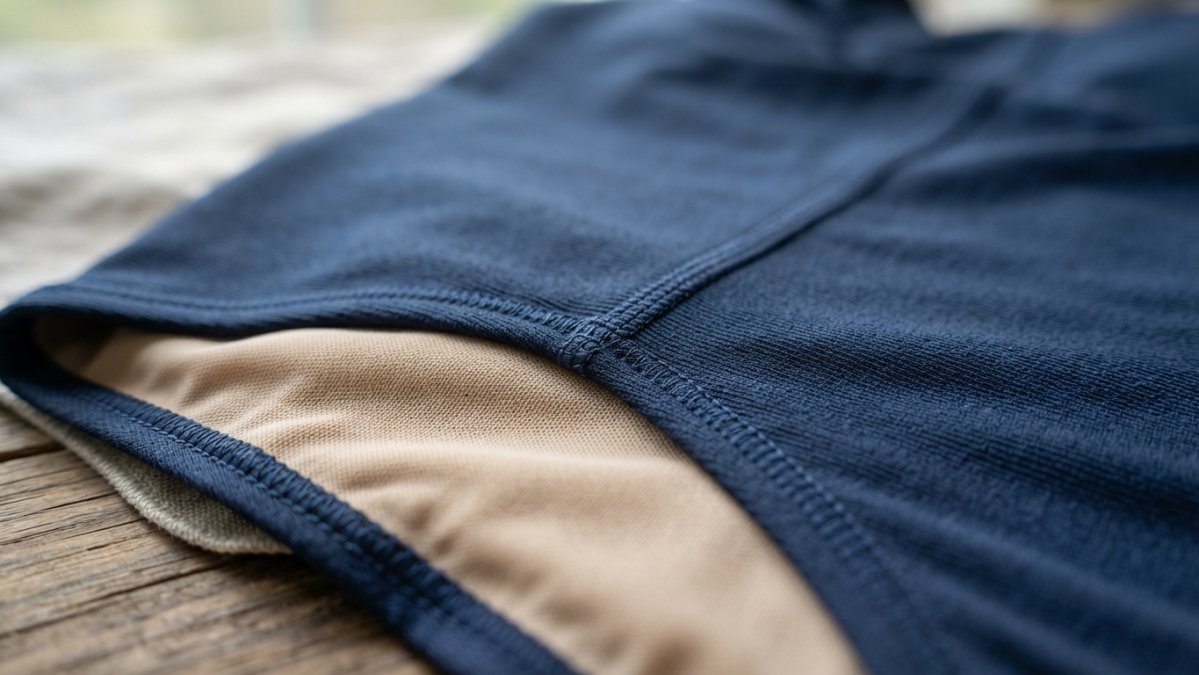
Stitching, Lining, and Seam Durability
This is where construction quality becomes obvious. Budget swimsuits use single-stitched seams that can separate after stretching repeatedly. The lining is often thin and begins pilling or deteriorating within a season.
Premium swimwear features reinforced seams at stress points, quality lining that resists pilling, and strategic stitching patterns that distribute stress evenly. Flatlock seams create smooth, durable finishes instead of raised seams that catch and tear.
When you try on an expensive swimsuit, you'll notice the lining feels substantial. It doesn't shift or bunch. The seams are smooth and secure.
Fit, Support, and Long-Term Comfort
A well-designed swimsuit maintains its shape through hundreds of wears. Budget options stretch out, sag, and lose their support structure quickly.
Expensive swimwear typically features superior elastic, strategic boning or support panels, and design elements that keep the suit in place. The fit remains consistent wash after wash. The support doesn't degrade.
For active swimmers or those who wear swimwear regularly, this consistency matters. You're not replacing your suit every season because it no longer fits properly. You're getting reliable performance year after year.
How Long Does Swimwear Last: Durability and Lifespan
Swimwear lifespan depends heavily on fabric quality, construction, and how you care for it. Understanding these factors helps you evaluate whether expensive swimwear actually delivers better value.
Saltwater, Chlorine, and Sun Exposure Impact
Chlorine is the primary enemy of swimwear. It breaks down fabric fibers, fades color, and degrades elastic.
Budget swimsuits typically show significant degradation within 20-30 pool sessions or a few weeks of beach use. The color fades noticeably. The elastic weakens. Seams begin separating.
Expensive swimwear with quality fabric and construction can withstand 100+ pool sessions or months of regular beach use before showing similar wear. The superior fabric formulation resists chemical breakdown.
Sun exposure adds a third factor. Chlorine and saltwater combined with UV rays accelerate fabric degradation.
Care and Maintenance Effects on Longevity
How you care for your swimwear dramatically affects how long it lasts. Rinsing immediately after chlorine or saltwater exposure removes chemicals before they can damage fibers. Air-drying instead of machine drying prevents elastic breakdown.
A budget swimsuit, even with perfect care, won't last as long as expensive swimwear with the same care routine. But excellent care can extend a budget suit's life significantly.
This is where the cost-per-wear calculation gets interesting. An expensive suit with poor care might deliver worse value than a budget suit with excellent care.
Is Expensive Swimwear Worth the Price: Cost Per Wear Analysis
The real question isn't whether expensive swimwear is better, it's whether the premium justifies itself through actual use and longevity.
Breaking Down the Investment Over Time
Cost per wear is the most honest way to evaluate swimwear value. It accounts for both the purchase price and how long the suit actually lasts.
A budget swimsuit costing around 30-50 dollars that lasts 15 pool sessions costs roughly 2-3 dollars per wear.
But this calculation only works if you actually use the suit that many times.
The breakeven point depends on your usage. Light swimmers (occasional beach trips, maybe 10-15 pool sessions yearly) might find budget options adequate.
When Premium Features Justify the Cost
Premium swimwear makes financial sense when:
- You swim regularly (weekly or more frequently)
- You need specific features like UPF 50+ protection for health reasons
- You use your suit in both chlorine and saltwater environments
- You value consistent fit and support for active water sports
- You want versatile designs that transition from water to casual wear
Expensive swimwear doesn't make sense when:
- You wear swimsuits rarely (a few times yearly)
- You're trying on a new style or brand for the first time
- You prioritize fashion over durability
- You're willing to replace suits frequently
- Budget options meet your specific needs
The honest answer: expensive swimwear is worth the price for active swimmers who use it regularly. For occasional wearers, budget options deliver better value.
Best Quality Swimwear: What to Look For
If you're considering expensive swimwear, knowing what separates quality from hype helps you make a smart choice.
Fabric Composition and Performance Standards
Check the fabric content. High-quality swimwear typically uses 80% nylon and 20% spandex, or similar ratios with premium materials. The specific blend matters less than the quality of each component.
Look for UPF protection claims backed by testing. Legitimate UPF 50+ protection should be verified and documented. Some brands publish their testing results or certifications.
Feel the fabric. Quality swimwear feels substantial and smooth. Budget options often feel thin or plasticky. The fabric should have consistent weight throughout, no thin spots or uneven texture.
Fit Inclusivity and Support Across Body Types
The best quality swimwear isn't just well-made, it's designed to fit and support different body types. Look for brands offering multiple cup sizes, varying coverage options, and thoughtful support features.
Try on the suit before buying if possible. Quality swimwear should feel secure without being restrictive. Straps shouldn't dig in. The coverage should feel confident and comfortable for your specific body.
Return policies matter here. A brand confident in their fit and quality typically offers generous return windows. If a suit doesn't work for you, you should be able to exchange or return it easily.
Return Policies and Confidence in Your Purchase
Before buying expensive swimwear, understand the return and exchange policy. Quality brands stand behind their products. They offer at least 30 days for returns and often provide free exchanges for sizing issues.
Read customer reviews specifically about fit and durability. Real customers using the suit in actual conditions provide valuable perspective. Look for patterns, do people consistently report the suit holding up well or falling apart?
Check for warranty or guarantee information. Some premium brands offer extended warranties on construction defects. This confidence in their product is a positive signal.
Different Needs for Pool, Beach, and Active Water Sports
Your specific use case dramatically affects which swimwear represents good value.
Pool swimming in chlorine demands durability against chemical breakdown. You need a suit built to withstand repeated chlorine exposure without fading or losing elasticity.
Beach swimming in saltwater and sun requires different priorities. Line In The Sand offers UPF 50+ protection specifically designed for this environment, with versatile designs that work for both water activities and casual beach time.
Active water sports like paddleboarding or snorkeling demand support, secure fit, and freedom of movement. You need a suit that stays in place during activity and provides confidence.
For occasional beach vacations, budget options might suffice. For regular weekly pool use or active water sports, expensive swimwear's durability and performance features justify the investment.
Expensive swimwear makes sense when you wear it regularly and need reliable performance. If you're an active swimmer or outdoor water sports enthusiast, investing in quality swimwear pays dividends through longevity and confidence. Shop with Line In The Sand and get the sun protection and versatile design you need, knowing your purchase supports research that matters.
Frequently Asked Questions
Does expensive swimwear last longer than budget options?
Not always. Durability depends on fabric quality, stitching, and care rather than price alone. A premium swimsuit with superior chlorine resistance and reinforced seams may last three to four seasons with proper maintenance, while a budget option might last one to two seasons. However, a well-made affordable suit can outlast a poorly constructed expensive one. The key is evaluating construction quality, fabric composition, and whether the suit matches your specific use, pool swimming, saltwater exposure, or lap training, rather than assuming higher cost guarantees longevity.
What makes some swimsuits so expensive?
Expensive swimwear typically costs more due to advanced fabric technology (like UPF 50+ protection or chlorine-resistant materials), superior construction with reinforced stitching and quality lining, inclusive sizing across diverse body types, and brand positioning. Some premium brands also invest in sustainable production methods, ethical labor practices, and unique design innovation. However, not all price increases reflect these factors, some expensive swimwear charges primarily for the brand name or logo rather than corresponding product improvements.
Is it worth paying more for UPF 50+ swimwear instead of using sunscreen?
UPF 50+ swimwear offers reliable, consistent sun protection without reapplication during water activities, making it valuable for active swimmers and outdoor enthusiasts. However, dermatologists recommend layering both UPF clothing and reef-safe sunscreen for maximum protection, especially on exposed areas like your face and shoulders. If you spend significant time in the water, paddleboarding, snorkeling, or lap swimming, premium UPF swimwear can reduce your reliance on frequent sunscreen reapplication and provide peace of mind. The investment makes sense if sun protection aligns with your lifestyle and health priorities.
How do I know if expensive swimwear will actually fit my body?
Look for brands that offer inclusive sizing with detailed size charts, customer reviews that mention fit across different body types, and clear return policies if the suit doesn't fit as expected. Read reviews from customers with similar body types to yours, paying attention to comments about coverage, support, and whether the suit runs true to size. Quality expensive swimwear should provide flattering fit and support across diverse sizes without vanity sizing. Many premium brands now prioritize fit inclusivity because they recognize that confidence and comfort matter as much as style, and that directly affects whether you'll actually wear and enjoy the suit.